Whole vs. Pre-Cut Wings: Slash Costs by Cutting Your Own
In the world of home cooking, few things offer the satisfying combination of deliciousness, versatility, and sheer value quite like chicken wings. Whether you're planning a game-day feast, a casual family dinner, or a backyard BBQ, wings are a crowd-pleaser. However, a common dilemma many shoppers face is whether to buy pre-cut wings, conveniently packaged and ready to cook, or to opt for whole wings, which often come at a more attractive price point. This article will not only tell you why cutting your own wings is a smart move for your wallet but also provide a comprehensive guide on how to cut chicken wings with ease, transforming you into a kitchen master.
The immediate appeal of pre-cut wings is obvious: no fuss, no mess, just open the package and get cooking. But this convenience comes at a cost, literally. Grocery stores typically charge a premium for the labor involved in cutting, often ranging from an extra 30 to 70 cents per pound. Over time, these seemingly small differences add up significantly, especially if wings are a regular feature on your menu. By learning how to cut chicken wings yourself, you unlock substantial savings, allowing you to enjoy your favorite dish more often without breaking the bank.
Why Make the Cut? Unlocking Savings and Culinary Control
Beyond the direct financial benefit, there are several compelling reasons to embrace the art of cutting your own chicken wings:
- Significant Cost Savings: As mentioned, whole wings are consistently cheaper per pound. This difference allows you to purchase more wings for the same budget or save money on your existing consumption. Imagine saving $3-$7 on every 10 pounds of wings you buy!
- Optimal Portions for Cooking and Eating: Pre-cut wings are usually separated into the familiar drumettes (miniature drumsticks) and wingettes (the flat, two-boned middle section). While you can cook whole wings, separating them makes them easier to handle, more uniform in cooking time, and definitely more enjoyable to eat, especially when sharing. It mimics the restaurant experience you're used to.
- Utilize Every Part: When you cut your own, you're left with the wing tips. While often discarded, these tips are gold for homemade chicken stock. Freezing them in a zip-top bag until you have enough is a fantastic way to add depth and flavor to soups, sauces, and stews, further maximizing your purchase and reducing food waste.
- Master a New Skill: There's a certain satisfaction that comes from mastering a new kitchen skill. Learning how to cut chicken wings is surprisingly easy and quick. With a little practice, you'll find yourself breezing through a couple of pounds in just a couple of minutes, feeling like a culinary pro.
Don't just take our word for it; give it a try. You'll be surprised at how quickly you can master this simple yet impactful technique. For a deeper dive into the financial benefits and skill mastery, read our guide: Cut Chicken Wings Yourself: Save Money & Master the Skill.
Understanding Chicken Wing Anatomy: Drumettes, Wingettes, and Tips
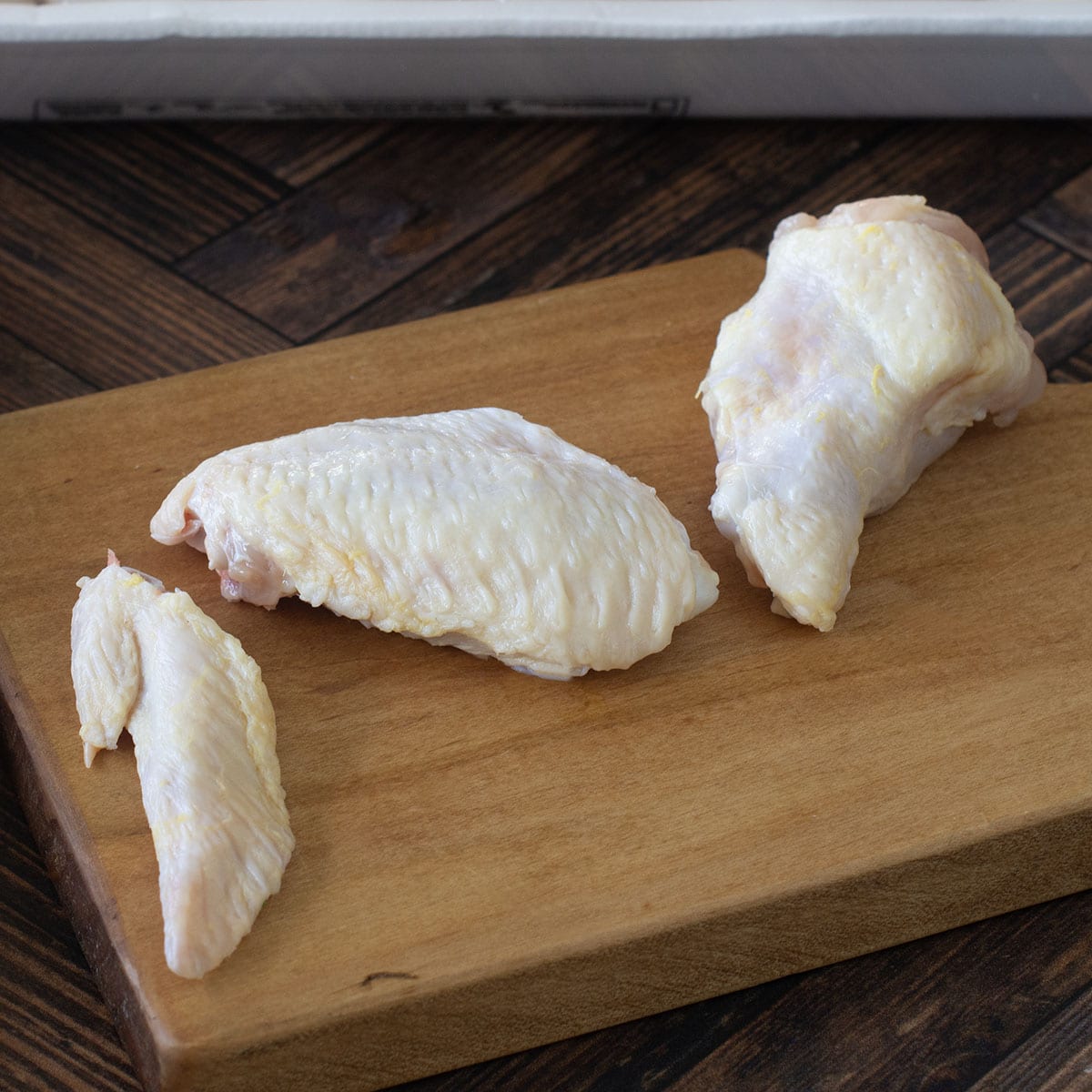
Before you make your first cut, it helps to understand the anatomy of a whole chicken wing. Stretch out a whole wing on your cutting board, and you'll clearly see its three distinct parts:
- The Drumette (or Drum): This is the meatiest part, resembling a miniature drumstick. It connects to the main body of the chicken.
- The Wingette (or Flat/Mid-section): This is the middle segment, characterized by two parallel bones. It's often considered the most flavorful part by many wing aficionados.
- The Wing Tip (or Flapper): This is the smallest, most pointed end of the wing, with very little meat. As we've discussed, it's perfect for stock.
Your goal when learning how to cut chicken wings is to separate these three sections by slicing through the joints that connect them. There's no need to cut through bone; the knife should glide cleanly through cartilage and connective tissue.
Tools and Preparation: Gearing Up for Success
You don't need fancy equipment to cut chicken wings efficiently. The most crucial tool is a good, sharp knife. Here's what you'll need:
- A Sharp Knife: A sharp chef's knife or a smaller, nimble boning knife works best. Sharpness is key for safety and ease. A dull knife is more likely to slip and cause injury.
- A Sturdy Cutting Board: A stable cutting surface prevents the wing from sliding around, making the process safer and more efficient.
- (Optional) Kitchen Shears: Some people prefer kitchen shears for cutting through joints, especially for the wing tips. If you have a robust pair, they can be a useful alternative.
Before you begin, ensure your workspace is clean and organized. Have a separate bowl ready for the wing tips if you plan to save them for stock, and another for the cut drumettes and wingettes.
Step-by-Step: How to Cut Chicken Wings Like a Pro
Here's a simple, two-cut method that will have you processing wings like an expert in no time:
1. Separate the Wing Tip from the Wingette
- Locate the Joint: Lay a whole chicken wing flat on your cutting board. Stretch out the wing so you can clearly see the distinct joint between the small wing tip and the larger wingette (the flat, two-boned section). Sometimes, bending the wing slightly in the middle, creating a "V" shape with the tip and wingette, can help expose the joint even better.
- Make the Cut: Place your sharp knife directly into the "crease" of the joint. With a firm, confident push, cut straight down. You should feel minimal resistance as the blade passes through the soft cartilage. If you meet significant resistance, slightly adjust the knife's position; you might be trying to cut through bone.
- Set Aside the Tip: Once separated, place the wing tip into your designated bowl or freezer bag for future stock.
2. Separate the Drumette from the Wingette
- Locate the Second Joint: Now you're left with the drumette and wingette connected. Again, stretch out this remaining portion, or hold it to form a "V" where the two parts meet. This helps to open up the joint, making it easier to see and cut. You'll notice a ridge or natural indentation where they connect.
- Make the Cut: Position your knife directly into this exposed joint. Apply gentle, steady pressure and push the knife through. Much like the first cut, it should glide through with very little effort. If you encounter resistance, wiggle the knife slightly or adjust its angle until it finds the path of least resistance through the joint. Avoid forcing the knife, as this is when accidents can happen.
- Ready for Cooking: You now have a perfectly cut drumette and wingette, ready for your favorite marinade, rub, or cooking method.
Repeat these two steps for all your whole wings. You'll be amazed at how quickly you develop a rhythm and efficiency. Many people can process several pounds of wings in under two minutes once they get the hang of it! For a visual guide and more speed tips, check out How to Easily Cut Chicken Wings in Under 2 Minutes.
Tips for Flawless Wing Cutting
- Practice Makes Perfect: Don't get discouraged if your first few cuts aren't perfectly clean. You'll quickly develop a feel for locating the joints.
- Sharpness is Safety: A truly sharp knife requires less force, reducing the risk of slipping and injury. Keep your knives honed!
- Stretch and Flex: Always stretch or bend the wing at the joints to make them more visible and accessible for your knife.
- No Force Necessary: If you're struggling, you're probably trying to cut through bone. Reposition your knife slightly and try again. The goal is to slice through soft tissue and cartilage.
- Batch Processing: For larger quantities, set up an assembly line. Cut all the wing tips first, then go back and cut all the drumettes from the wingettes. This method can significantly speed up the process.
Conclusion: Your Path to Cheaper, Better Wings Starts Now
Learning how to cut chicken wings is a simple yet incredibly rewarding skill for any home cook. It's a quick, easy way to save a significant amount of money over time, while also giving you greater control over your ingredients and reducing food waste. You'll not only enjoy the financial benefits but also the satisfaction of preparing restaurant-quality wings from scratch, knowing you've mastered a valuable kitchen technique. So, the next time you're at the grocery store, confidently reach for that package of whole chicken wings. Your wallet (and your taste buds) will thank you!
