Master the Art: How to Easily Cut Chicken Wings in Under 2 Minutes
Are you a fan of crispy, succulent chicken wings? Whether you prefer them baked, fried, or grilled, they're a universally loved dish. But if you're regularly buying pre-cut chicken wings from the grocery store, you might be surprised to learn that you're paying a premium for convenience. Imagine saving significant money on your weekly grocery bill while also mastering a simple, yet impressive, kitchen skill. Learning how to cut chicken wings yourself is not only incredibly easy but also astonishingly fast – you can process an entire two pounds in under two minutes once you get the hang of it!
Many home cooks shy away from buying whole chicken wings, assuming the cutting process is difficult or messy. The truth, however, is that it's surprisingly straightforward. This guide will walk you through the simple steps, turning you into a chicken wing cutting pro in no time. You'll soon be wondering why you ever paid extra for someone else to do it!
Deconstructing the Wing: Understanding Its Anatomy
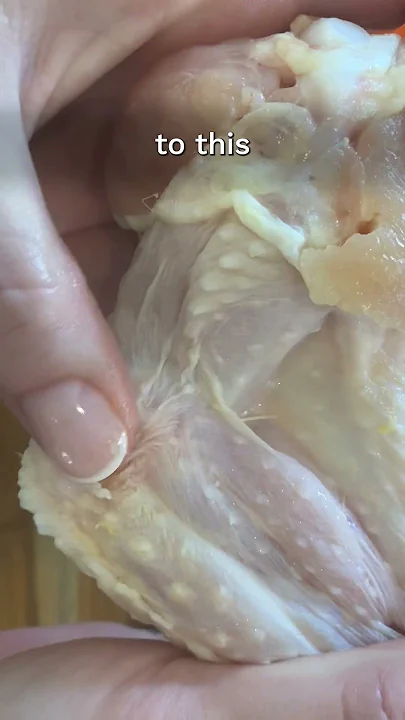
Before you make your first cut, it helps to understand the basic anatomy of a whole chicken wing. This knowledge makes the process intuitive, as you'll be cutting through joints, not bone, ensuring smooth, clean separations. When you stretch out a whole wing, you'll clearly see it's made up of three distinct sections:
- The Drumette: This is the meatiest part of the wing, resembling a miniature drumstick. It contains one bone and is often the most popular piece due to its substantial meat content.
- The Wingette (or Flat): Also known as the "flat," this is the middle section of the wing. It contains two parallel bones and has a good amount of meat, often lauded for its crispy skin potential.
- The Wing Tip (or Flapper): This is the smallest, most slender part of the wing, primarily consisting of cartilage and bone with very little meat. While often discarded in many recipes, these tips are culinary gold for making rich chicken stock.
Your goal when learning how to cut chicken wings is to separate these three sections cleanly at their natural joints. It's much like knowing where the hinges are on a door – you don't cut through the wood, you disengage the hinges.
Your 2-Minute Masterclass: A Step-by-Step Guide to Cutting Chicken Wings
Armed with a sharp knife and a sturdy cutting board, you're ready to transform whole wings into perfectly portioned pieces. A good quality chef's knife or a boning knife will make this task effortless. Remember, the key is to find the joint, not to force your way through bone.
Step 1: Prepare Your Workspace and Your Wings
- Lay your whole chicken wing flat on a clean cutting board. For better visibility and grip, some find it helpful to place the wing skin-side down, or to hold it by the drumette end, stretching it slightly to expose the joints in a "V" shape.
- Ensure your knife is sharp. A dull knife is more dangerous and will make the job harder.
Step 2: Separating the Wing Tip from the Wingette
This will be your first cut. Locate the joint that connects the small, bony wing tip to the larger wingette section. You might feel a slight ridge or a natural bend.
- Gently bend the wing tip backward to help expose the joint. You'll see and feel where the bones connect.
- Place your sharp knife directly into this joint.
- With a gentle but firm push, slice straight through. The knife should glide with minimal resistance. If you meet significant resistance, you're likely hitting bone – slightly adjust your knife's position until it feels like it's sliding through cartilage.
- Set the wing tip aside. Don't discard them! As mentioned, these are perfect for making flavorful chicken stock, adding depth to soups and sauces. Simply collect them in a freezer-safe bag until you have enough to make a batch of stock.
Step 3: Separating the Drumette from the Wingette
Now that the wing tip is removed, you're left with the drumette and wingette still connected. This is your second and final cut for each wing.
- Examine the remaining two-part wing. You'll easily see the joint where the plump drumette meets the flatter wingette.
- Similar to the first cut, you can slightly bend the drumette and wingette away from each other to make the joint more prominent.
- Position your knife precisely at the joint's high ridge.
- Apply gentle, steady pressure and push the knife straight down. Again, it should feel like the knife is sliding through soft cartilage. If you encounter resistance, wiggle the knife a tiny bit to find the path of least resistance through the joint.
- You should now have two perfectly separated pieces: a drumette and a wingette, ready for your favorite recipe.
Repeat this process for all your whole wings, and you'll be amazed at how quickly you can process a large batch. Many experienced home cooks can effortlessly cut two pounds of wings in just a couple of minutes, hence the title – it truly is that fast!
Pro Tips for Perfect Cuts & Maximizing Your Savings
Learning how to cut chicken wings is more than just a technique; it's a smart kitchen strategy that saves you money and reduces waste. Here are some additional tips to help you master the skill and get the most out of your chicken wings:
- The Power of a Sharp Knife: This cannot be stressed enough. A sharp knife is not only more efficient but also safer, as it requires less force and is less likely to slip. Take the time to sharpen your knife before you start.
- "Feel" for the Joint: Don't try to power through bone. If your knife encounters significant resistance, it means you're not in the joint. Slightly adjust the angle or position of your knife until it glides effortlessly. Trust your instincts and the natural give of the cartilage.
- Stretch to See: Gently stretching the wing parts apart helps to widen the joint, making it easier to see and access with your knife. This is a common technique among chefs.
- Don't Waste the Tips: Those seemingly insignificant wing tips are packed with collagen and flavor. Freeze them in a bag, and once you have a good collection, use them to make a rich, gelatinous chicken stock that will elevate your soups, sauces, and risottos. It's a fantastic way to minimize food waste and add homemade goodness to your cooking.
- Practice Makes Perfect: Your first few wings might take a bit longer, but with each one, you'll gain confidence and speed. Soon, you'll be effortlessly slicing through wings like a seasoned butcher.
- Hygiene First: Always remember to practice good kitchen hygiene when handling raw poultry. Use a dedicated cutting board for chicken, wash your hands thoroughly with soap and warm water before and after handling, and sanitize all surfaces and tools that came into contact with the raw chicken.
The financial savings alone make this skill worthwhile. Pre-cut wings can cost anywhere from 30 to 70 cents more per pound than whole wings. Over time, these savings truly add up, allowing you to enjoy your favorite chicken wing recipes more often without breaking the bank. For a deeper dive into the cost benefits, check out our article: Whole vs. Pre-Cut Wings: Slash Costs by Cutting Your Own.
Beyond the cost, there's a certain satisfaction that comes with knowing you've prepared your ingredients from scratch. It connects you more intimately with your food and enhances your overall cooking experience. If you're keen to further hone your culinary prowess and discover more advantages, our article Cut Chicken Wings Yourself: Save Money & Master the Skill offers additional insights and motivation.
Conclusion: Embrace Your Inner Wing Master
Cutting chicken wings yourself is a simple kitchen skill that offers immense benefits. From significant cost savings and reduced food waste to the satisfaction of mastering a new technique, there's every reason to make this a regular practice. It's surprisingly easy, incredibly fast, and once you understand the wing's anatomy, your knife will effortlessly glide through the joints, transforming whole wings into perfectly portioned drumettes and wingettes in mere moments.
So, the next time you're planning a chicken wing feast, bypass the more expensive pre-cut options. Grab a package of whole wings, a sharp knife, and confidently embark on your 2-minute masterclass. You'll not only save money but also unlock a new level of culinary confidence, proving that mastering your kitchen can be both practical and incredibly rewarding.
